
 EN
EN  LT
LT 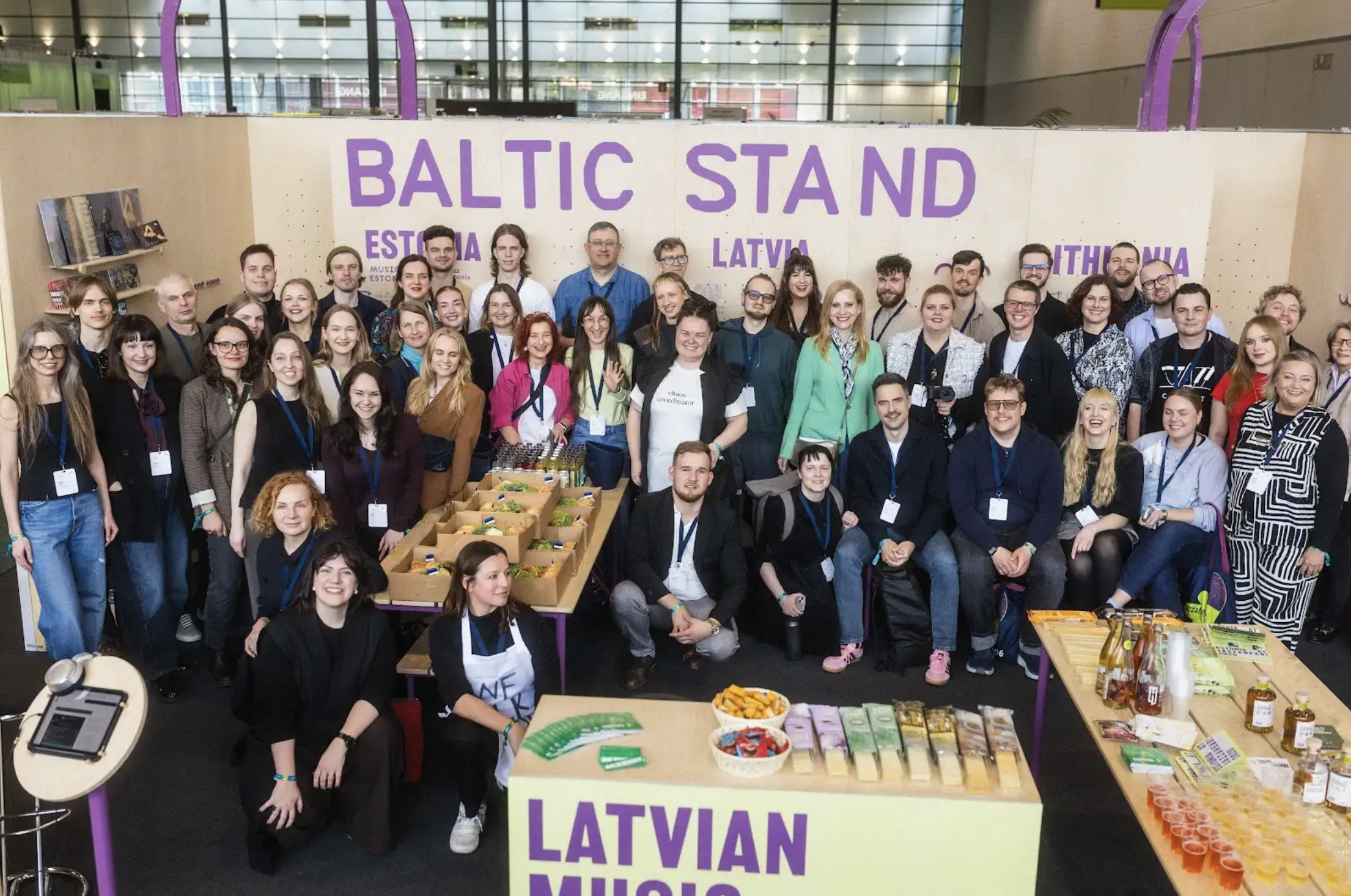
Lithuania, Latvia, and Estonia have been named the 2027 partner countries at the international jazz fair jazzahead!. This is a significant event not only for the music scenes of these individual countries but also for the entire Baltic region, which has been gaining increasing visibility on the international jazz scene in recent years.
Held every April in the German city of Bremen, “jazzahead!” is the largest jazz fair of its kind in Europe and one of the most influential forums for this music. Over two decades, it has grown into a carefully curated and designed platform where representatives of the jazz world—from musicians and managers to festival organizers and music publishers—come together. Alongside the fair, concerts and conferences take place, and the entire city transforms into a massive festival for several days.
The 2026 event received special attention, as it marked the 20th edition of “jazzahead!”. During the event, in keeping with established tradition, the next partner country was announced; Sweden was bid farewell, and the baton was passed to the Baltic states. This decision reflects the steadily growing visibility of Lithuania, Latvia, and Estonia, as well as their ability to operate not only at the national and regional levels, but also internationally.
Lithuania has been participating in the “jazzahead!” fair for more than a decade. Over this period, connections with international partners have been forged, the visibility of the country’s artists has grown, and participation in the fair has become an important part of jazz promotion and export. For several years now, the Baltic countries have been appearing at “jazzahead!” not as three separate countries, but with a single “Baltic Booth,” where joint presentations by Lithuania, Latvia, and Estonia take place. This collaboration has borne fruit, as jazz in the Baltic region is increasingly referred to as a single phenomenon rather than three separate scenes.
“We’ve been participating in the ‘jazzahead!’ fair since 2013, and for the past five years we’ve been working toward becoming a partner of this event. We didn’t expect it to happen so quickly, or that we’d become one of the main pillars. This is exciting, but at the same time, it’s clear that a lot of work lies ahead. We have the opportunity to show that Lithuanian jazz is vibrant, diverse, and worthy of international attention. This not only inspires us but also compels us to move forward,” say representatives of the Lithuanian Jazz Union.
Although Lithuanian musicians did not appear in the official concert program this year, the country’s participation and representation were active. A delegation organized by the Lithuanian Jazz Federation traveled to “jazzahead!”, consisting of fourteen jazz industry professionals, including musicians, managers, and representatives from the press, festivals, and big bands. They participated in meetings, presented the Lithuanian scene, and forged new professional connections. Such activities often lay the groundwork for future collaboration, joint projects, and initiatives that not only expand the audience but also strengthen the region’s identity. This partnership often takes on the characteristics of cultural diplomacy, as music becomes a tool for dialogue and improvisation a form of a shared language.
The event featured a reception for the Baltic countries, attended by Giedrius Puodžiūnas, Ambassador of the Republic of Lithuania to Germany, and Irma Šimanskytė, Lithuanian Cultural Attaché in Germany, as well as representatives from the embassies and ministries of culture of Latvia and Estonia. They welcomed the delegations, emphasizing the importance of culture in strengthening international ties through music and their countries’ jazz identities. In the context of “jazzahead!”, the status of “focus countries” signifies not only symbolic recognition but also greater opportunities, a curated concert program, increased international attention, and new professional connections.
The activities of the Lithuanian Jazz Union are funded by the Lithuanian Council for Culture.
Photo: Ēriks Radželis